
How Nutrition Impacts Your Mental Health
When I was growing up on the farm we had a vegetable garden, apple trees, a cherry tree and a pear tree. We ate our own beef cattle and raised chickens (for awhile anyway…that endeavor attracted snakes and didn’t last long; but that is for another post!). We picked strawberries and blackberries in the summer (despite the chiggers!). My parents were firm believers that you could either spend money on good food or spend money on medicine. Either way, you were spending the money but how you spent it impacted the quality of life that you lived.
Like my parents, I am a firm believer that eating whole foods is vital to your overall health and will take it one step further: how you eat impacts your mental health as well as your physical health. What my parents intuitively knew about food has gained traction in the mental health community. It is called ‘Nutritional Psychology’ and has emerged within the last 15 years as a new model for mental healthcare.
What is Nutritional Psychology?
Nutritional Psychology is a field that studies the relationship between what we eat and how it affects our mental health. It is about understanding how the foods we consume can influence our mood, thoughts and overall mental well-being. While it may sound complex, the basic idea is simple: a healthy diet can lead to a happier, more balanced mind.
The power of Nutritional Psychology is that we as human beings are more than just chemical reactions. Yes, we do require calories and nutrients to survive but we also need love, pleasure, community, celebration, beauty, movement, and laughter.
Nutritional Psychology does not adopt a “right way” of eating as defined by leading experts. Instead, Nutritional Psychology endorses meeting the nutritional needs that are unique to YOU. It takes into account current research on supplements, superfoods, and the power of nutrients. It endorses a holistic approach that encompasses the body, mind, and soul.
Over the coming weeks, I am going to introduce you to more information on Nutritional Psychology and how you can adapt its concepts into your life. My goal is to help you achieve the highest quality of life possible by empowering you to make different choices based on how you feel. I am going to start off today by talking about antioxidants.
Antioxidants
Antioxidants are like the super heroes of the food world. They’re compounds that help protect our cells from damage caused by harmful molecules called free radicals. But here’s the exciting part- they do more than just that. Antioxidants can also positively influence your mental health.
How Antioxidants Boost Your Mood
- Reducing Stress: Antioxidants help reduce oxidative stress in the brain. Lower stress levels mean better mental health.
- Enhancing Brain Function: They support cognitive function and memory, helping your brain perform at its peak.
- Fighting Inflammation: Chronic inflammation in the brain can lead to mood disorders. Antioxidants combat this inflammation, potentially reducing the risk of depression and anxiety.
Antioxidant-Rich Foods for Busy Lifestyles
Now, let’s get to the delicious part – incorporating antioxidant-rich foods into your busy life! Here are some fantastic options:
1. Berries
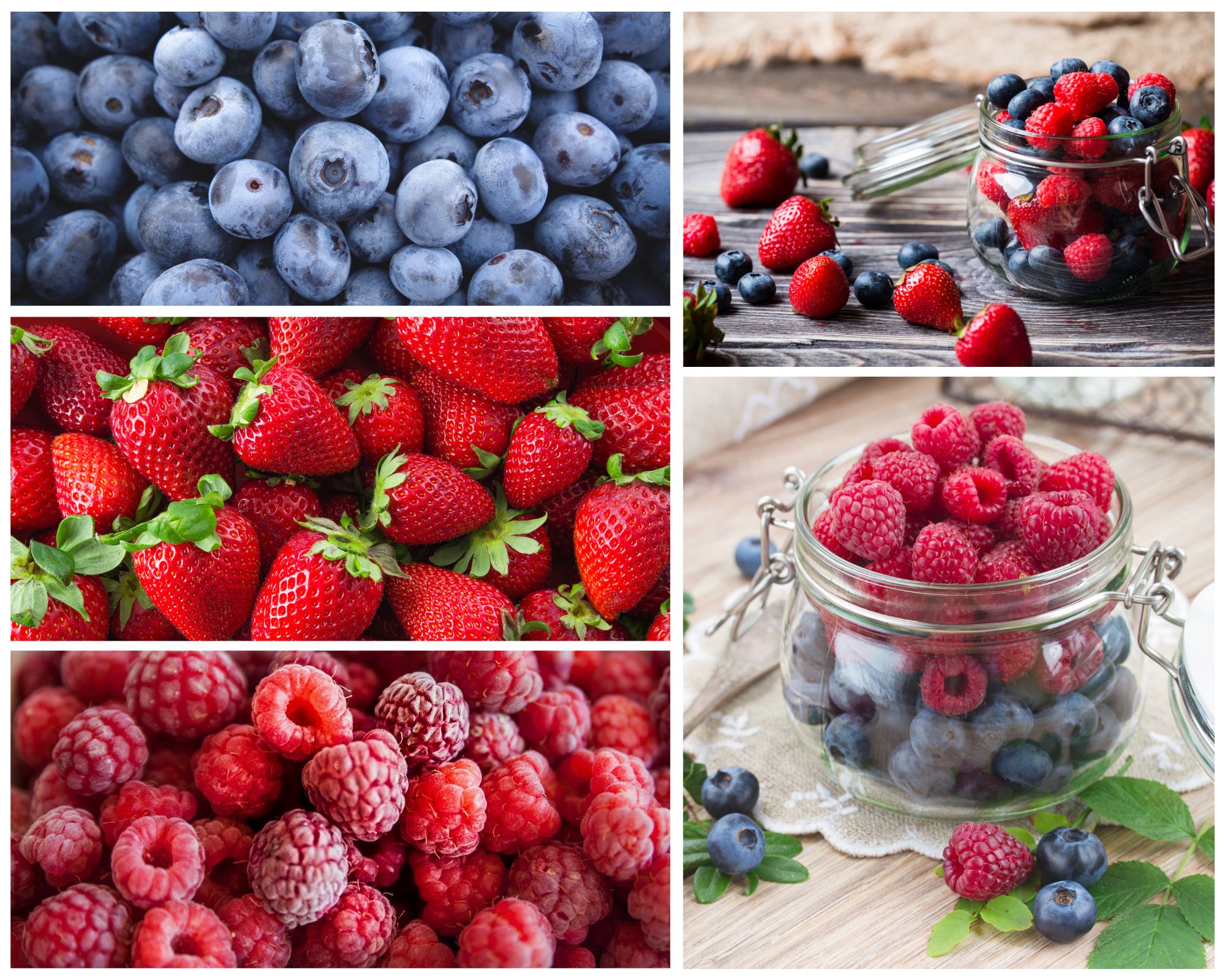
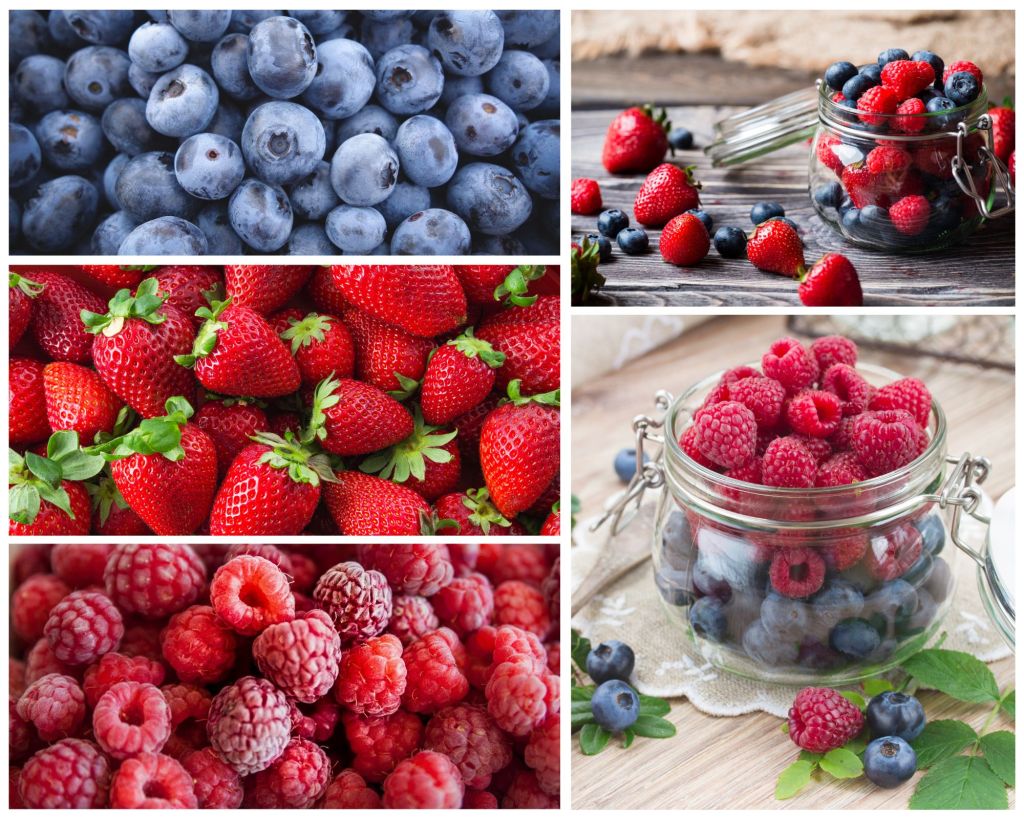
Berries like blueberries, strawberries, and raspberries are packed with antioxidants. Sprinkle them on your morning cereal, blend them into a quick smoothie, or simply grab a handful as a snack.
2. Dark Chocolate
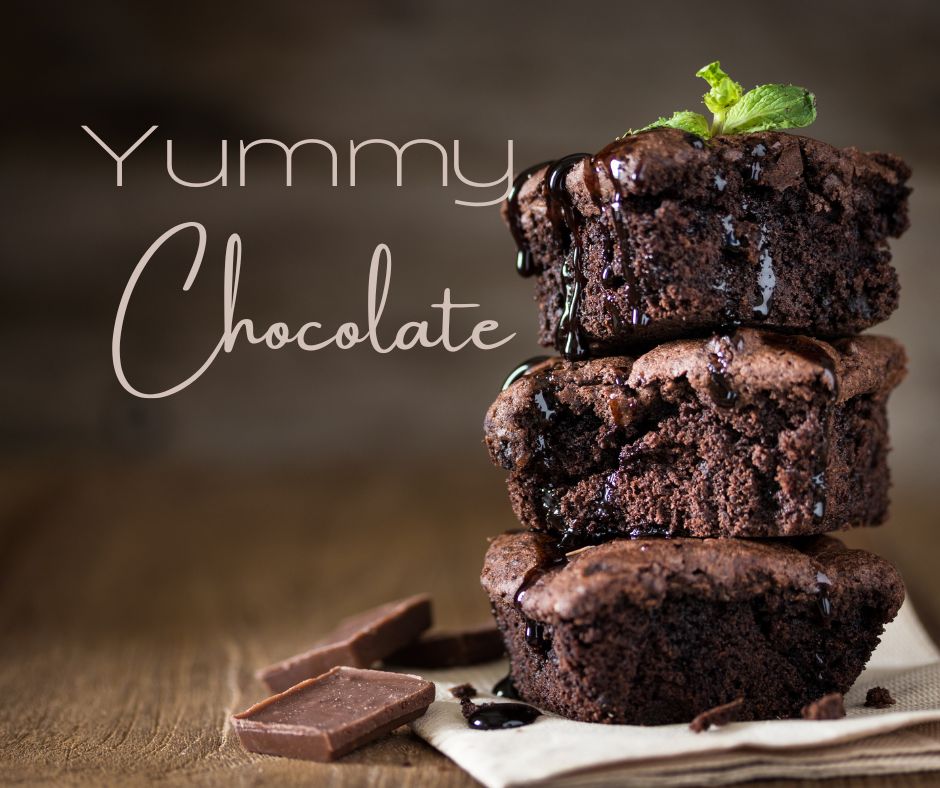
Yes, you read that right! Dark chocolate is not only a delightful treat but also a source of antioxidants. Opt for chocolate with at least 70% cocoa content for maximum benefits.
3. Nuts and Seeds
Almonds, walnuts, and chia seeds are great sources of antioxidants. Keep a small container of mixed nuts and seeds in your bag for a handy and nutritious on-the-go snack.
4. Leafy Greens
Spinach, kale, and Swiss chard are rich in antioxidants. Toss them into your salads, sandwiches, or even your morning omelet.
5. Green Tea
Swap your regular coffee for antioxidant-rich green tea. It’s a calming and refreshing way to boost your mood and brainpower.
6. Colorful Veggies
Tomatoes, carrots, and bell peppers are loaded with antioxidants. Try to incorporate them into your meals as side dishes or stir-fries.
Quick Tips for Busy Bees
In our hectic lives, convenience is key. Here are some quick tips to make antioxidant-rich foods work for you:
- Prep Ahead: Spend a bit of time on the weekend chopping veggies, portioning out berries, and making small bags of mixed nuts. This makes healthy snacking a breeze during the week.
- Smoothie Power: Throw a handful of berries, a handful of spinach, and some chia seeds into a blender with your choice of liquid (milk, yogurt, or a dairy-free option). Blend, pour, and go!
- Dark Chocolate Break: Keep a small bar of dark chocolate in your desk drawer. It’s perfect for an afternoon pick-me-up.
- Swap and Sub: Swap out your regular snacks with antioxidant-rich options. Instead of chips, try carrot sticks with hummus or a handful of mixed nuts.
Wrapping It Up
Incorporating antioxidants into your diet doesn’t have to be a daunting task. By making small, simple changes to your eating habits, you can nourish not only your body but also your mind. Remember, taking care of your mental health is just as important as your physical health, and antioxidants are here to help you do just that.

 Calm Journey
2 thoughts on “The Mind-Body Connection”