
Painting the Story of Human Feelings
Charles Darwin explored the foundations of emotional life in his publication The Expression of the Emotions in Man and Animals in 1872. Although Darwin is better known for his other works (On the Origins of Species and The Descent of Man), his book on emotions is an important work that should be read by all students of psychology and psychiatry. Emotions are the colorful palette that paints the canvas of our lives, and they’ve been a fundamental part of our human experience for as long as we’ve been around. Understanding emotions is foundational to emotional regulation and overall mental health. This week I am going to talk about how the body responds to the emotions we feel. First, I want to give you some background on the history of human emotions.
Ancient Beginnings:
Emotions have been an integral part of human existence since the dawn of our species. Even our prehistoric ancestors, the Homo neanderthalensis and Homo sapiens, experienced emotions. It’s believed that these early humans expressed emotions through grunts, gestures, and primitive forms of art. The roots of emotions are deeply embedded in our evolutionary history as they played a crucial role in survival and social bonding.
Ancient Philosophers:
The rich history of human emotions also has a philosophical dimension. The great philosophers of antiquity pondered the nature of emotions. Aristotle, for instance, believed that emotions were the result of our judgments about the world around us. Stoic philosophers, on the other hand, thought that emotions arose from irrational judgments. Their ideas continue to influence how we understand and manage emotions today.
Middle Ages and Renaissance:
During the Middle Ages and the Renaissance, emotions were a prominent theme in art, literature, and philosophy. Think of Shakespeare’s complex characters, expressing a wide array of emotions. Emotions were considered both a reflection of our inner worlds and a manifestation of divine will.
The Birth of Psychology:
The 19th century marked a significant shift in our understanding of emotions. With the advent of psychology as a formal discipline, pioneers like William James and Carl Lange proposed influential theories. They suggested that emotions were a result of physiological responses to stimuli, challenging earlier notions of emotions as primarily cognitive.
Modern Times:
In the 20th century, researchers like Paul Ekman and Robert Plutchik made huge strides in the study of emotions. Ekman famously identified universal facial expressions for basic emotions, while Plutchik developed a color wheel model to illustrate the relationships between different emotions.
The Digital Age:
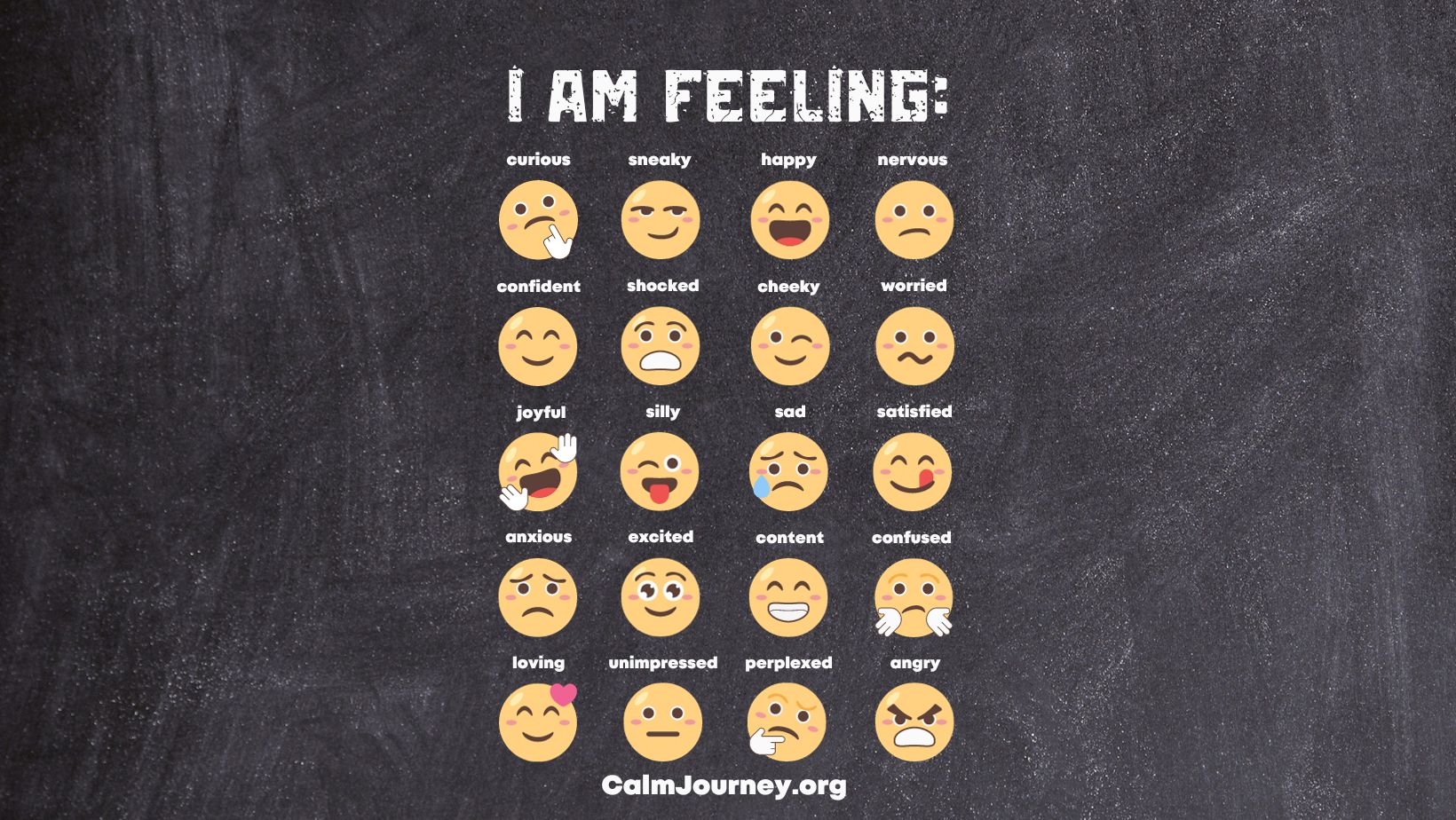
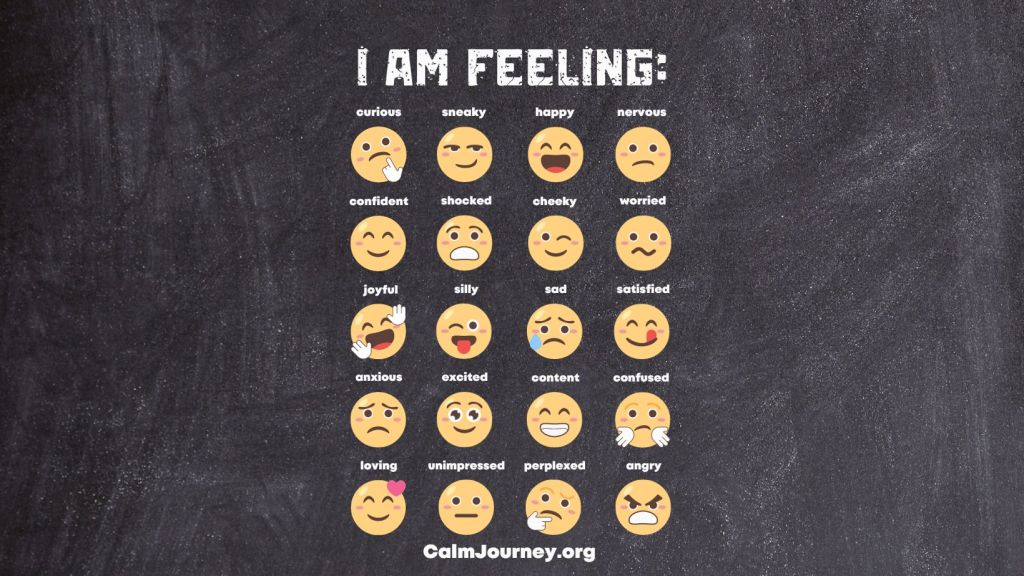
With the rise of technology and social media, the way we express and perceive emotions has evolved. Emoji and emoticons have become shorthand for our emotional states in the digital world. We now have access to an extensive vocabulary to describe our feelings and share them instantly with the world.
Conclusion:
Our journey through the history of human emotions reveals a continuous fascination with these complex inner experiences. From the cavemen’s grunts to the emoji-laden texts of today, emotions have been our constant companions, shaping our interactions, art, philosophy, and even our understanding of ourselves.
Understanding emotions and how they influence our lives is an ever-evolving field. Emotions are not just a subject of academic study but a vital part of the human experience. They make us who we are, drive our actions, and connect us with each other across time and space. So, the next time you feel joy, anger, love, or sadness, remember that you’re tapping into a rich tapestry of human history, and you’re not alone in feeling what you do.

 Calm Journey