

Symptoms, Warning Signs and Treatment
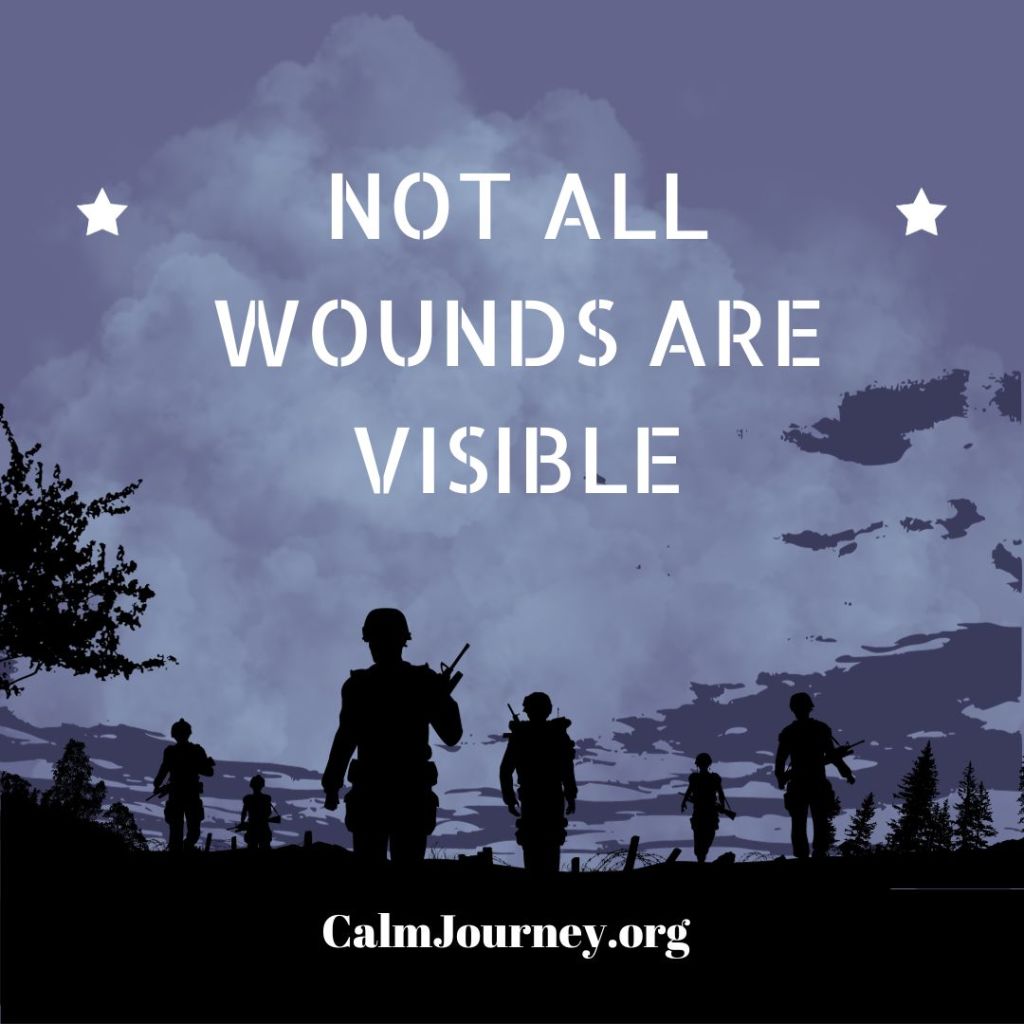
Stressful and traumatic events can lead to a serious mental illness: Post-Traumatic Stress Disorder (PTSD). It’s a condition that can affect anyone who has experienced a traumatic event (not just those in the military), and its impact can be profound. Like many people with PTSD, the wounds are not visible and triggers can sometimes be unknown, but the symptoms of PTSD are real and sometimes debilitating. The article will discuss symptoms, warning signs and treatment options for PTSD.
What is PTSD?
Post-Traumatic Stress Disorder, or PTSD for short, is a mental health condition that can develop after someone has experienced a traumatic event. These events can range from combat situations and natural disasters to personal traumas like physical assault or accidents. It’s not just limited to one particular event; it’s all about how the person perceives and processes the experience.
How Does It Manifest?
- Re-experiencing Symptoms
- Flashbacks: Individuals with PTSD may relive the traumatic event through intrusive and distressing memories or vivid nightmares.
- Triggers: Certain cues, like sights, sounds, or smells, can bring back painful memories, causing extreme emotional distress and even physical reactions.
- Avoidance and Numbing
- People with PTSD often try to avoid reminders of the trauma. They might avoid specific places, people, or situations that could trigger distressing memories.
- Emotional numbness and detachment can occur, making it difficult to connect with others or feel positive emotions.
- Hyperarousal
- Warning signs of post-traumatic stress disorder include being on high alert all the time, experiencing difficulty sleeping, irritability, and difficulty concentrating.
- Sufferers might be easily startled and have a constant sense of impending danger.
- Negative Changes in Thoughts and Mood
- It’s common for those with PTSD to struggle with feelings of guilt, shame, or blame related to the trauma.
- They may lose interest in activities they once enjoyed, feel emotionally detached from loved ones, and have a negative outlook on life.
Living with PTSD
PTSD can manifest differently in each person, and not everyone who experiences a traumatic event will develop it. But for those who do, it can be incredibly challenging. Coping with PTSD often requires professional help, such as therapy or medication, but there are also strategies individuals can use to manage their symptoms:
- Seek therapy, such as cognitive-behavioral therapy (CBT) or exposure therapy, which can help process and reduce the impact of traumatic memories.
- Build a strong support network of friends and family who understand and can provide emotional support.
- Practice self-care, including mindfulness, meditation, and relaxation techniques to reduce stress and anxiety.
- Be patient with yourself; healing takes time, and it’s okay to seek help when needed.
Conclusion
Understanding PTSD and its post-trauma manifestations is vital in supporting those who have experienced traumatic events. It’s not a sign of weakness but a reflection of the human capacity to endure and overcome. By creating a more compassionate and informed society, we can help individuals on their journey to healing and recovery. If you or someone you know is struggling with PTSD, remember that help is out there, and there’s no shame in seeking it. Let’s stand together and break the silence surrounding this important issue.
To learn more about PTSD, visit the National Institute of Mental Health or the National Center for PTSD.
Remember, not all wounds are visible!

 Calm Journey