
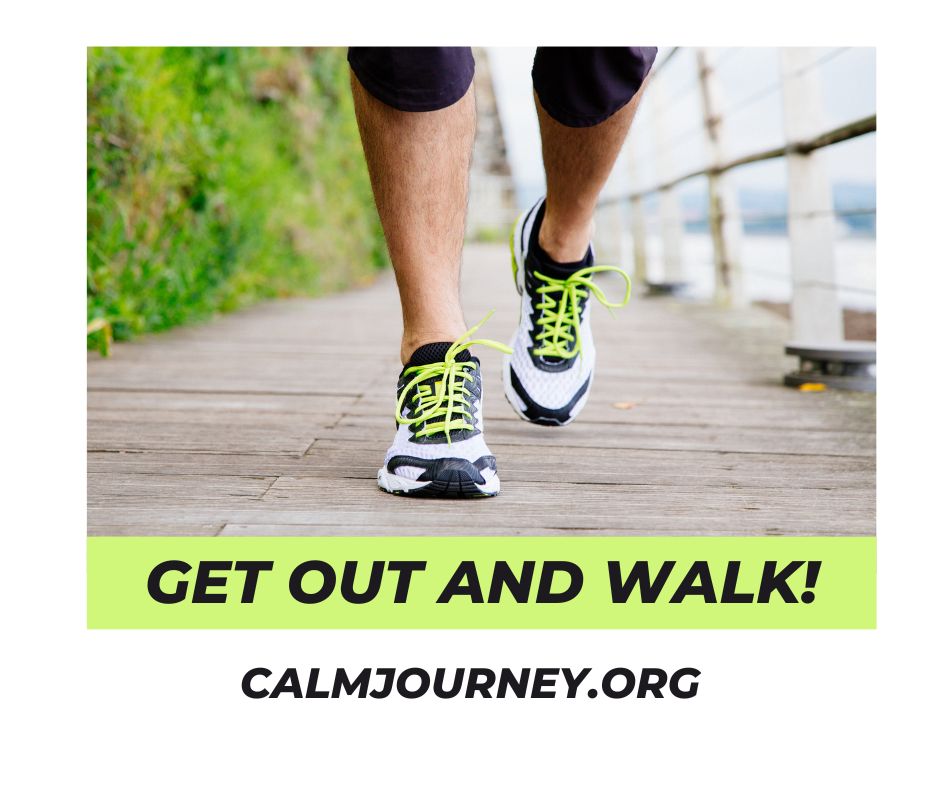
How one small change can improve your mental health!
I have always been an early riser. Staying up past 10pm has always been a struggle. Waking up at 5am, though? No big deal. I am on my feet ready to pounce on the day like a newborn calf in springtime. I was working on my post-master’s degree during COVID and between working full time and going to school full time, my early morning runs fell to the wayside and the weight packed on. It didn’t help that I enjoyed an occasional drink to “relax.” At graduation time, the stress of being in school transformed into the stress of a new job and of course, I sat all day at a computer. Before long, my anxiety started creeping up and one day it hit me out of the blue like a rogue wave on the ocean.
Panic Attack.
I had never had one before and it’s true: you feel like you are GOING. TO. DIE.
It lasted about 20 minutes and after a complete (embarrassing) melt down, I was fine again but the terror of it reoccurring lingered like a demon. I couldn’t grasp what was going on with me. In my head, I was like “Physician, Heal Thyself!” but none of my coping strategies worked.
I went to see my primary physician and told her what medication I wanted to try. She was gracious enough to listen to me and give me what I wanted (it was not unreasonable. After all, I am a psychiatric nurse practitioner. I prescribe for my clients all day long.) This provided a reprieve for a while but then my anxiety started manifesting in other ways and I knew that if I didn’t start managing my life a little bit better, I was going to be a prisoner of anxiety.
I started doing some soul searching.
I have always struggled with anxiety. The difference now was that COVID happened and my life changed. I no longer had any kind of balance. I worked. Came home. Ate Dinner. Watched TV and went to bed. Rinse. Repeat.
My morning runs were gone.
When we engage in physical activity, our body releases chemicals called endorphins. Endorphins are neurotransmitters produced by the central nervous system and the pituitary gland. They are often referred to as natural pain killers because they help to alleviate discomfort and enhance our mood. When endorphins are released during exercise, they interact with receptors in our brain that reduce our perception of pain and trigger positive feelings, commonly known as the “runner’s high.”
Exercise promotes the release of other neurotransmitters such as serotonin, dopamine and norepinephrine. Serotonin is often called the “feel good” neurotransmitter because it helps regulate mood, appetite and sleep. Dopamine is associated with pleasure and reward, while norepinephrine helps to improve attention, focus and motivation. Regular physical activity increases the levels of these neurotransmitters in the brain, which can contribute to a more positive outlook and a reduction of symptoms of anxiety and depression.
Additionally, exercise has been shown to reduce levels of cortisol, often referred to as the stress hormone. Cortisol is released in response to stress and plays a role in regulating various physiological functions, including metabolism, immune response, and blood pressure. When cortisol levels remain elevated for prolonged periods, it can contribute to feelings of anxiety and depression. Exercise helps to lower cortisol levels, thereby reducing the physiological effects of stress on the body and mind.
Furthermore, engaging in physical activity promotes neurogenesis, which is the process of generating new neurons in the brain. Studies have shown that exercise stimulates the production of brain-derived neurotrophic factor (BDNF), a protein that supports the growth, survival, and differentiation of neurons. Increased levels of BDNF have been linked to improvements in mood, cognitive function, and resilience to stress.
The physiological effects of exercise on the brain and body contribute to its ability to reduce anxiety and depression. By stimulating the release of endorphins, serotonin, dopamine, and norepinephrine, while decreasing levels of cortisol and promoting neurogenesis, exercise acts as a powerful tool for improving mental health and overall well-being. Staying active not only benefits your physical health but also your mental health.
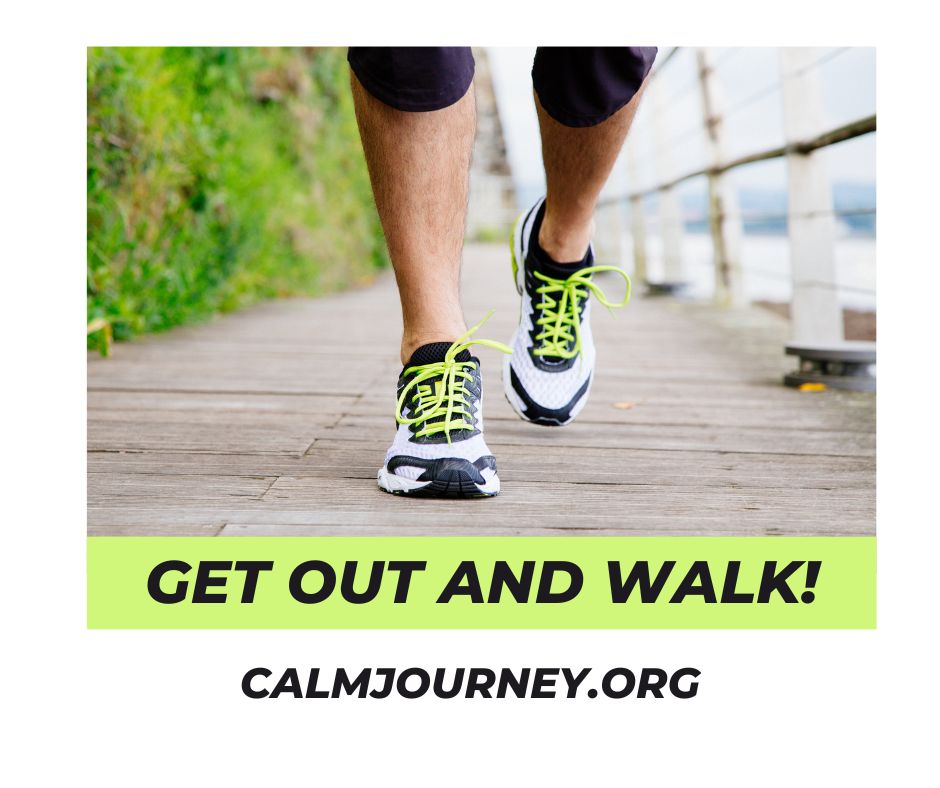
I started walking every day. It’s going to be a few months before I am “in shape” again, but since I started exercising my stress levels have gone down and I have not had any panic attacks. I feel more in control of my life again.
If you have been struggling with anxiety or depression, learn from my little mishap. Get some balance back into your life, strap on your shoes and go for a walk. You will be amazed at how good you feel!
Until next time,
Heather

 Calm Journey