

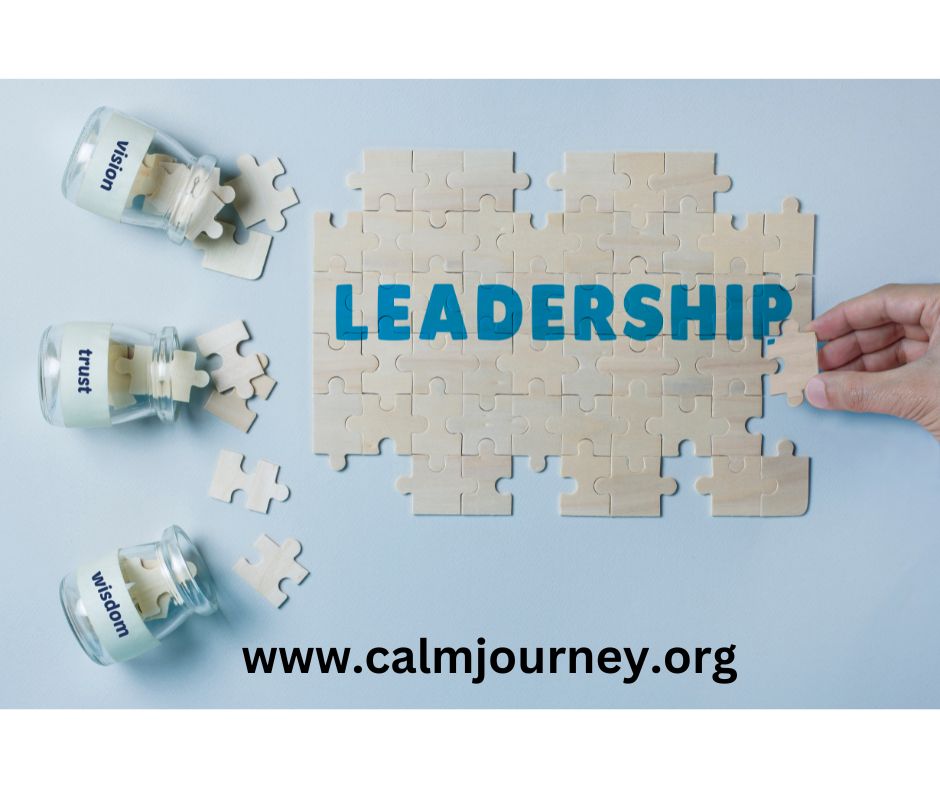
When coaching new executives, I am often asked about the dynamic realms of leadership and management. While often used interchangeably, these two concepts encapsulate distinct roles in the corporate ecosystem. Whether you are a parent, a professional or an executive (or all three!), you can learn the differences between leadership and management and obtain some valuable resources to develop this skill in your life. Let’s begin!
Distinguishing Leadership and Management:
At its core, management is the art of optimizing processes, ensuring efficiency, and achieving set goals. It’s the science of dealing with complexities. On the other hand, leadership is about inspiring and influencing individuals to achieve a common vision. It’s an art that nurtures innovation, fosters change, and propels a team towards a shared mission.
Let me give you a quick example: Mom has three teenage children, and they all want ice cream. Mom’s goal is getting the kitchen cleaned. Mom has to be BOTH manager and leader to get her goal accomplished. How?
Mom (the executive of the group) sets the goal (expectation) with the 3 teenagers: The kitchen needs to be clean in 30 minutes. We have three tasks to accomplish: 1. Dishes need to be washed and put away. 2. Counters wiped down and 3. The floor must be swept. Who wants to do which task? (no one responds). NOTE: Management is the art of optimizing processes, ensuring efficiency and achieving goals (e.g., Team Building!). Mom is doing all three at this point, but no one is responding. Here is where she needs to become a leader and inspire her three teenagers to achieve a common vision. She knows her children (e.g., team) love ice cream, but she also knows they love the ice cream downtown. They have not had this treat in a very long time because it’s always too expensive. Mom has resources that she is willing to access to make this special treat happen, but only if the kitchen gets cleaned in the next 30 minutes. She uses leadership to inspire her children with going downtown for ice cream (a new, more valuable vision) and the job is accomplished in record time.
Leadership Styles:
Leadership isn’t a one-size-fits-all endeavor. Different situations call for different styles. Here are a few notable leadership styles:
Transformational Leadership: A style that focuses on inspiring and motivating followers to achieve extraordinary outcomes and develop their potential.
Transactional Leadership: This style is more task-oriented, emphasizing the exchange of rewards for performance. It’s akin to a transaction where expectations are clearly defined.
Servant Leadership: Leaders adopting this style prioritize the needs of their team members, fostering a collaborative and empathetic environment.
Autocratic Leadership: A more authoritative style where the leader makes decisions without seeking input from the team. Effective in certain crisis situations.
Democratic Leadership: In this style, decision-making is a collective effort, involving the team’s input and fostering a sense of shared responsibility.
Developing Leadership Skills:
Leadership is a skill that can be honed and developed. Here are some strategies to enhance your leadership prowess:
Continuous Learning: Stay abreast of industry trends, leadership theories, and best practices.
Mentorship: Seek guidance from seasoned leaders, learn from their experiences, and apply those insights to your own journey.
Feedback: Constructive feedback is a cornerstone of growth. Embrace it, learn from it, and refine your approach accordingly.
Adaptability: The business landscape is ever-evolving. A great leader must be adaptable, ready to navigate change and lead their team through uncertainty.
Three Must-Read Books on Leadership:
“Leaders Eat Last” by Simon Sinek: Sinek delves into the concept of building a culture of trust and collaboration within an organization.
“The 7 Habits of Highly Effective People” by Stephen R. Covey: Covey’s classic explores foundational habits for personal and professional effectiveness, crucial for any aspiring leader.
“Dare to Lead” by Brené Brown: Brown combines research with storytelling, providing insights into the power of vulnerability and courage in leadership.
In conclusion, the dichotomy of leadership and management is a delicate dance that requires finesse. Developing as a leader involves a commitment to continuous learning, adaptability, and a keen understanding of the diverse styles that can be applied in different scenarios. Leadership can be developed and used effectively and purposefully in a variety of settings. It just takes practice!
Until next time!
Heather
If you like this article, please comment below or contact me at heatheranne@calmjourney.org
Other articles or courses you might enjoy!
The Power of Boundaries: Building Healthy Relationships and Self-Respect
Mastering the Art of Having Difficult Conversations with Your Boss

 Calm Journey