
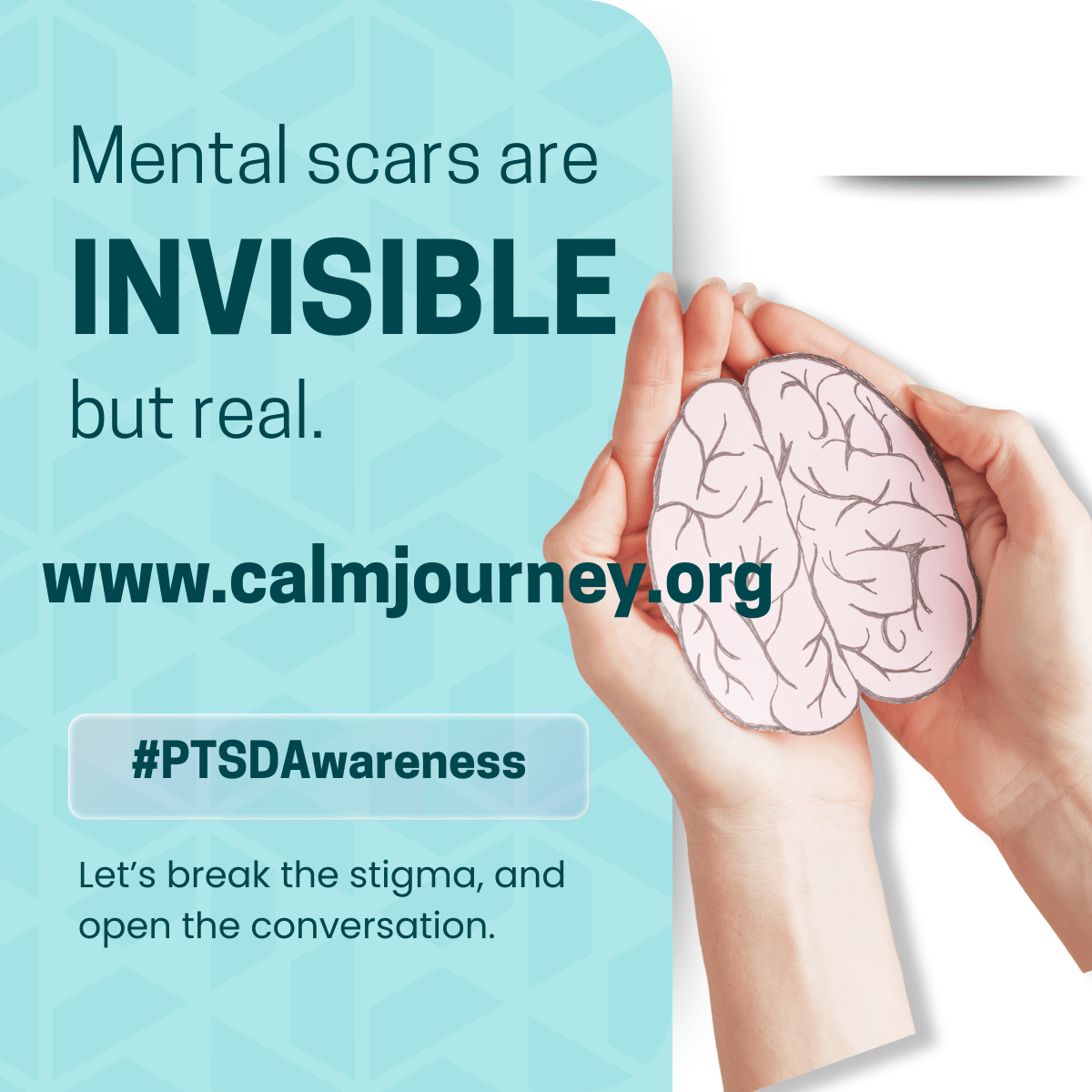
Most people expect medical care to be a source of healing, but for some, the experience of being hospitalized, undergoing surgery, or surviving a medical emergency leaves emotional scars that linger long after the body has recovered. This is known as Medical Post-Traumatic Stress Disorder (Medical PTSD)—a condition that is often overlooked but deeply impactful.
What Is Medical PTSD?
Medical PTSD is a form of post-traumatic stress disorder that develops after a traumatic medical event. Unlike combat trauma or natural disasters, the “danger” comes from the very treatments meant to preserve life. Common triggers include:
ICU stays or long hospitalizations Emergency surgeries Serious illnesses such as cancer or COVID-19 Traumatic childbirth experiences Invasive procedures, especially when the patient felt helpless or unheard
The core of Medical PTSD is not just what happened medically, but how vulnerable, powerless, or even endangered a person felt during the experience.
Symptoms to Look For
The symptoms mirror those of traditional PTSD but are tied to medical settings. These can include:
Flashbacks or intrusive memories of medical procedures Anxiety or panic during routine doctor visits Avoidance of follow-up appointments or tests Heightened vigilance about bodily symptoms (hyperawareness of pain, changes, or sensations) Sleep problems and nightmares about medical environments Emotional distress—fear, anger, guilt, or shame about their medical journey
These symptoms can interfere with necessary care, making people hesitant to seek help even when it’s life-saving.
Who Is at Risk?
Anyone can develop Medical PTSD, but some are at higher risk, including:
Patients who endured long ICU stays or were on ventilators Mothers who experienced birth trauma or emergency C-sections People with chronic illnesses requiring repeated hospitalizations Children who underwent invasive treatments early in life Patients who felt dismissed, misunderstood, or not given adequate pain control
Importantly, even when doctors and nurses provide excellent medical care, the sheer intensity of the experience can still overwhelm the patient’s nervous system.
The Impact Beyond the Hospital
Medical PTSD doesn’t just affect mental health—it has ripple effects on overall wellness:
Missed follow-up care and poorer health outcomes Strained relationships with caregivers and family Increased risk of depression, anxiety, or substance use Long-term distrust of healthcare providers
In short, Medical PTSD can turn healing into a lifelong struggle.
Pathways to Recovery
The good news is that Medical PTSD is treatable. Support can come in many forms:
Trauma-focused therapy such as EMDR (Eye Movement Desensitization and Reprocessing) or Cognitive Behavioral Therapy Peer support groups for survivors of ICU or medical trauma Mind-body practices like mindfulness, yoga, and breathing techniques to regulate stress responses Patient-centered care where providers validate fears, explain procedures thoroughly, and involve patients in decision-making
For those supporting a loved one with Medical PTSD, compassion and patience are key. Listening without judgment and encouraging professional support can make a profound difference.
Breaking the Silence
Medical PTSD is real—and far more common than many realize. By naming it, sharing stories, and building awareness, we can begin to shift healthcare culture toward not just treating illness, but also protecting emotional well-being. Healing should never come at the cost of hidden trauma.
✨ Takeaway: If you or someone you know struggles with fear, flashbacks, or avoidance after a medical event, you are not alone. Recovery is possible—with the right care, both body and mind can heal.
Please Like and Share my post to spread the word!
Blessings,
Heather

 Calm Journey