

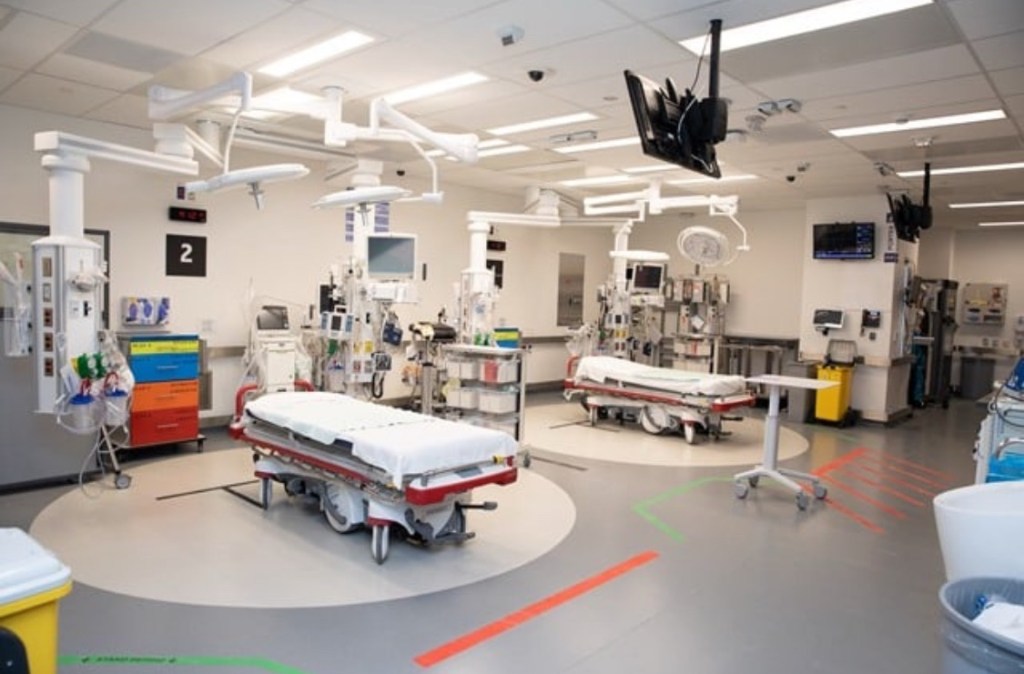
From a legal standpoint, the emergency room (ER) is one of the most frequent settings for wrongful death and medical negligence claims. This is not because ER clinicians are careless, but because emergency departments function under conditions that inherently elevate risk.
For attorneys evaluating potential cases, understanding the ER as a high-risk milieu is essential for identifying deviations in care, causation, and liability.
1. High Acuity + High Volume = Elevated Legal Exposure
Emergency departments treat patients with:
Unknown medical histories Vague or evolving symptoms Conditions that can deteriorate rapidly
Providers must triage and act quickly, often before all facts are known. From a legal lens, this creates fertile ground for:
Missed or delayed diagnoses (e.g., sepsis, stroke, internal hemorrhage) Inadequate reassessment Premature discharge
Key legal takeaway: Many ER cases hinge not on what was done, but on what should have been recognized sooner.
2. Time Pressure and Cognitive Bias
ER clinicians operate under constant time constraints. Rapid decision-making increases vulnerability to:
Anchoring bias (locking onto an initial diagnosis) Confirmation bias (discounting contradictory data) Failure to broaden the differential diagnosis
In litigation, these cognitive factors often surface as:
Incomplete workups Delayed escalation of care Failure to act on abnormal results
Attorney focus: Was the clinical reasoning reasonable given the evolving presentation, or did time pressure override reassessment?
3. Communication Failures and Handoffs
The ER depends on frequent transitions:
EMS → triage Nurse → provider Provider → consultant Shift change → shift change
Each handoff is a potential failure point. Critical details—worsening symptoms, abnormal vitals, pending labs—may be lost or assumed to be addressed by someone else.
Attorney focus:
Were handoffs clearly documented? Was responsibility for follow-up explicit? Did communication failures contribute to delay or harm?
4. Overcrowding, Boarding, and System Failures
ER overcrowding is a systemic issue that directly affects patient safety. Patients may wait hours for evaluation, imaging, or inpatient beds while remaining under ER care.
Common legal issues include:
Delayed monitoring Missed reassessments Medication delays or omissions
Critical point for attorneys: Systemic pressures do not absolve liability. Courts often examine whether reasonable safeguards were in place despite overcrowding.
5. Protocols vs. Individualized Care
Emergency medicine relies heavily on protocols. While protocols promote efficiency, they can become problematic when:
Patients present atypically Clinical deterioration occurs after protocol completion Providers fail to deviate when warranted
Attorney focus: Compliance with protocol alone does not equal meeting the standard of care. The key question is whether the patient’s unique clinical picture required deviation or escalation.
6. Documentation Under Pressure
ER documentation is often completed amid interruptions and competing priorities. This can result in:
Templated notes that lack nuance Minimal explanation of clinical reasoning Missing reassessments or response-to-treatment entries
From a legal perspective:
If it isn’t documented, it may be presumed not done Poor documentation weakens defensibility—even when care was appropriate
Attorney focus: Documentation gaps frequently define the strength or weakness of an ER case.
7. Human Factors and Provider Fatigue
Long shifts, night work, and repeated exposure to trauma contribute to fatigue and burnout. Human factors research consistently links fatigue to increased error rates.
Important legal nuance: While fatigue explains error, it does not excuse it. However, it can help attorneys understand how and why breakdowns occurred within the system.
Why This Matters for Case Evaluation
Emergency room cases are rarely about a single catastrophic mistake. More often, they involve:
A series of small omissions Delays that compound over time Missed opportunities for reassessment or escalation
For attorneys, recognizing the ER as a high-risk clinical environment allows for:
More accurate merit screening Stronger causation analysis Clearer identification of nursing and medical standard-of-care issues
Final Thought
Emergency departments are high risk not because of incompetence, but because they operate at the edge of human and system capacity. Effective legal analysis requires understanding how ER systems function under pressure—and where they fail.
This is precisely where medical expertise, particularly nursing insight into workflow, documentation, and reassessment, brings clarity to complex ER litigation.

 Calm Journey