

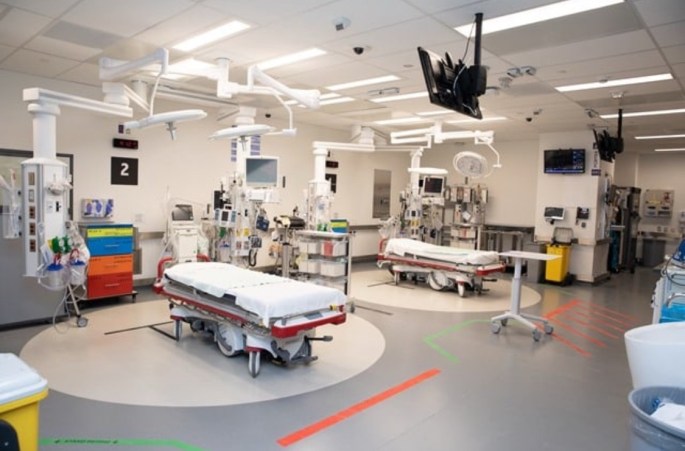
Emergency rooms are inherently high-risk clinical environments due to constant high acuity, unpredictable patient presentations, time-critical decision making, frequent handoffs, and chronic overcrowding. These conditions increase the likelihood of missed diagnoses, delayed treatment, communication failures, and documentation gaps—common issues at the center of medical negligence and wrongful death claims. For attorneys, understanding the ER as a high-risk milieu is essential to effective case screening and causation analysis. Most ER cases are not the result of a single error, but a series of small omissions, delayed reassessments, or system-level breakdowns that compound over time. Recognizing these patterns allows legal teams to better evaluate liability, standard-of-care deviations, and the role of nursing and medical decision-making under pressure.



 Calm Journey